
Pawsome
Blog
Why Dogs Jump on People: 7 Proven Fixes to Stop Dog Jumping Up Forever
Good afternoon Pet Parents,
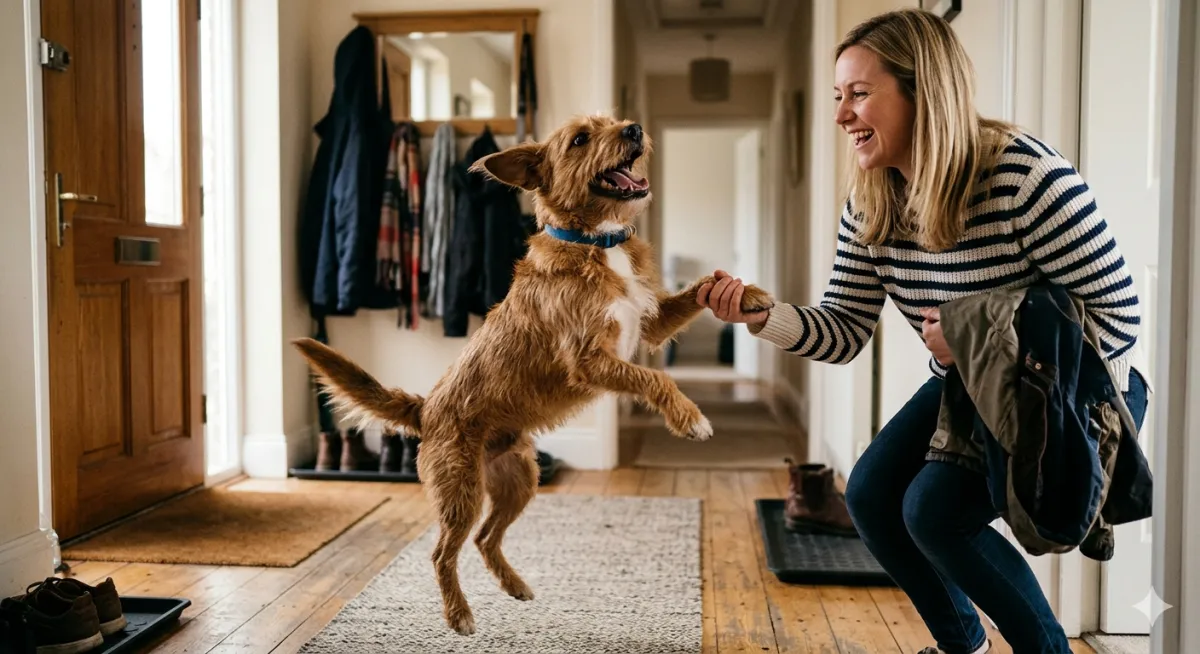
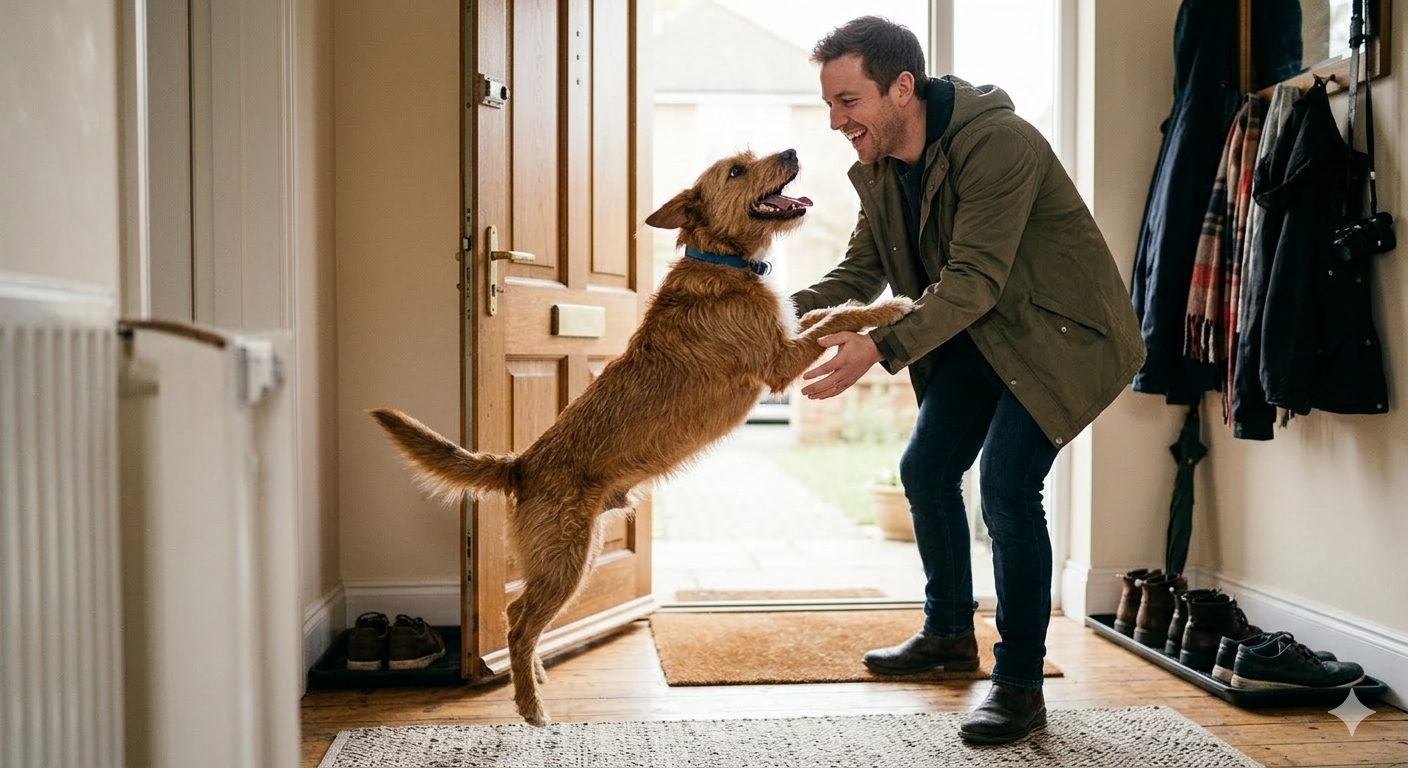
For those of you with dogs, you would not be immune to your dog’s excitement when they see you.This may be the first moment in the morning or when you get home from a day out.Dogs often show their excitement to see their parent by jumping.
Dogs jumping up is one of the most common behavioral issues a dog owner faces.However, dogs jumping can often turn from joyful greetings into chaotic or even risky moments. Understanding the root causes—rooted in a dog's natural instincts and learned habits—empowers you to implement effective training strategies for calmer interactions.
Why Dogs Jump Up: Instincts and Triggers
Dogs jump primarily as a greeting ritual inherited from their wolf ancestors, where puppies nuzzled under adults' muzzles to solicit food and attention. In modern homes, this translates to leaping on people to reach faces for licks and eye contact, driven by excitement from arrivals or visitors.
Common triggers include high-energy reunions after absences, doorbells signalling guests, or positive reinforcement like petting during jumps. Puppies jump more due to underdeveloped impulse control, while anxious or under-exercised adults escalate it into a habit. Breeds like Labs or Border Collies, bred for high energy, amplify the issue without outlets.
Lack of boundaries reinforces the behaviour: if jumping earns attention—even scolding—dogs learn it's rewarding. Early socialization gaps or inconsistent household rules compound this, making "why dogs jump on people" a top search for frustrated owners seeking dog jumping solutions.
The Problems Jumping Causes
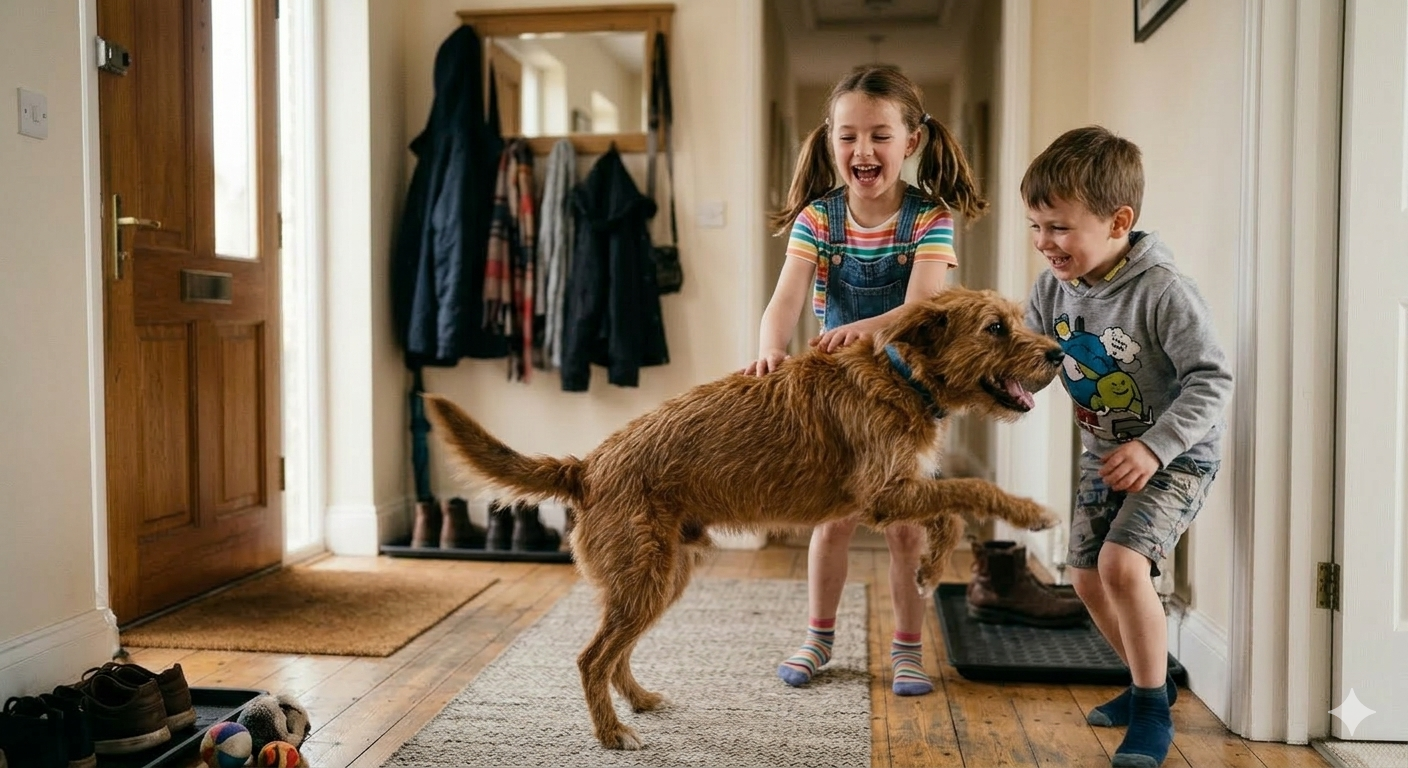
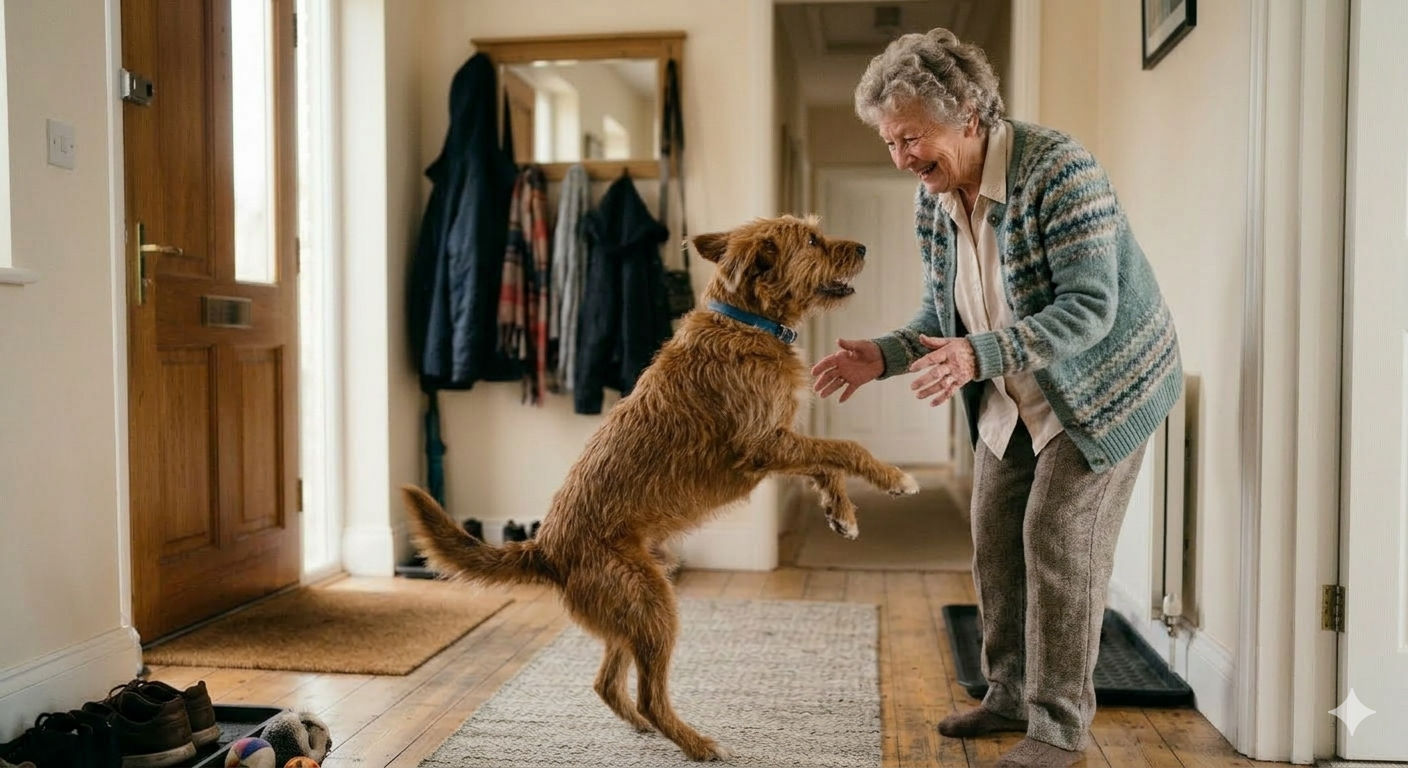
Beyond annoyance, jumping risks injury, especially to kids, elderly folks, or those with mobility issues— a single enthusiastic leap from a 30kg dog can topple someone. It signals poor impulse control, potentially escalating to nipping or fence-jumping escapes in reactive dogs.
For owners, it erodes trust and complicates social outings, like walks or vet visits. In multi-pet homes, it sparks jealousy or fights. Addressing "dog jumping up behaviour" early prevents these pitfalls, fostering a polite pet that's welcome everywhere.
Step-by-Step Fixes: Training Methods
Effective training hinges on consistency, positive reinforcement, and ignoring unwanted actions. Start with the "four on the floor" principle: reward only when all paws stay grounded.
Method 1: The Ignore-and-Redirect Technique
When your dog jumps, turn away silently—no eye contact, talking, or pushing (which feels like play). Cross arms and step back to remove rewards. As soon as all paws hit the floor, mark with a cheerful "Yes!" and reward with treats, praise, or brief pets.
Practice daily: Enlist family members to enter repeatedly, repeating the cycle. Within a week, most dogs catch on, associating ground level with goodies. For stubborn cases, tether the leash to a doorknob during practice to prevent full jumps.
Method 2: Leash Management for Greetings
Clip a leash before doors open. When jumping starts, gently guide downward while saying "Sit." Reward the sit instantly. Gradually fade the leash as reliability builds. This works wonders for visitor greetings, teaching "sit for attention" over "jump for love."
Combine with pre-emptive sits: Before ringing doorbells or arrivals, cue a sit with a treat lure, building proactive calm.
Method 3: Exercise and Mental Enrichment First
Jumping often stems from pent-up energy, so prioritize 30-60 minutes of daily walks, fetch, or sniffari sessions before training. Puzzle toys, like Kongs stuffed with kibble, tire minds and reduce excitability.
Incorporate impulse games: "Wait" at doors or "leave it" with toys, gradually increasing duration. A well-exercised dog is less likely to default to jumping frenzy.
Advanced Strategies for Tough Cases
If basics fail, try clicker training for precision: Click the instant paws touch down, followed by high-value rewards like chicken bits. For fear-based jumpers (rare but linked to past trauma), consult a force-free trainer using desensitization—gradual exposure to triggers at low intensity.
Breed-specific tweaks help: High-drive herders need agility drills, while lap breeds thrive on lap-sit rewards. Puppy classes build foundations early, preventing ingrained habits.
Tech aids like no-jump harnesses or calming vests offer temporary support, but pair with behavior mods for lasting change.
Prevention for New or Multi-Dog Homes
From day one, enforce no jumping on puppies by sitting them for greetings. Involve kids in training with supervision, teaching them to turn away too. Consistency across visitors is key—brief them: "No touch until sit."
For rescues with histories, baseline assessments via vet behaviorists rule out medical issues like pain-induced reactivity mimicking jumps.
Expected Timelines and Troubleshooting
See improvement in 3-7 days with 10-minute daily sessions; full reliability takes 2-4 weeks. Plateaus? Up rewards or vary routines to combat boredom.
Common pitfalls: Inconsistent family enforcement revives habits; over-excitement pre-greeting (like squealing) reignites jumps. Track progress in a journal, noting triggers for targeted tweaks.
Long-Term Benefits of Calm Greetings
Trained dogs enjoy more freedom—off-leash parks, family events—without incidents. Owners report stronger bonds from mutual respect. Integrating with broader training (recall, loose-leash walking) creates well-rounded companions.
Tie into wellness: Calm greeters stress less, aiding overall health amid rising pet anxiety concerns.
Conclusion
So parents, I urge you to mastering some of the strategies that you have read about here today with your dog so that you can transform chaotic homes into harmonious havens. When you start today, and work consistently and patiently with your dog, you will see your dog become a friendlier and more polite ambassador for your family home.
To stay up to date with training tips and pet anxiety resources click here

Contact Us
pawsomeharmony24@gmail.com
Bedford Park, Sth Australia. Australia. 5253