
Pawsome
Blog
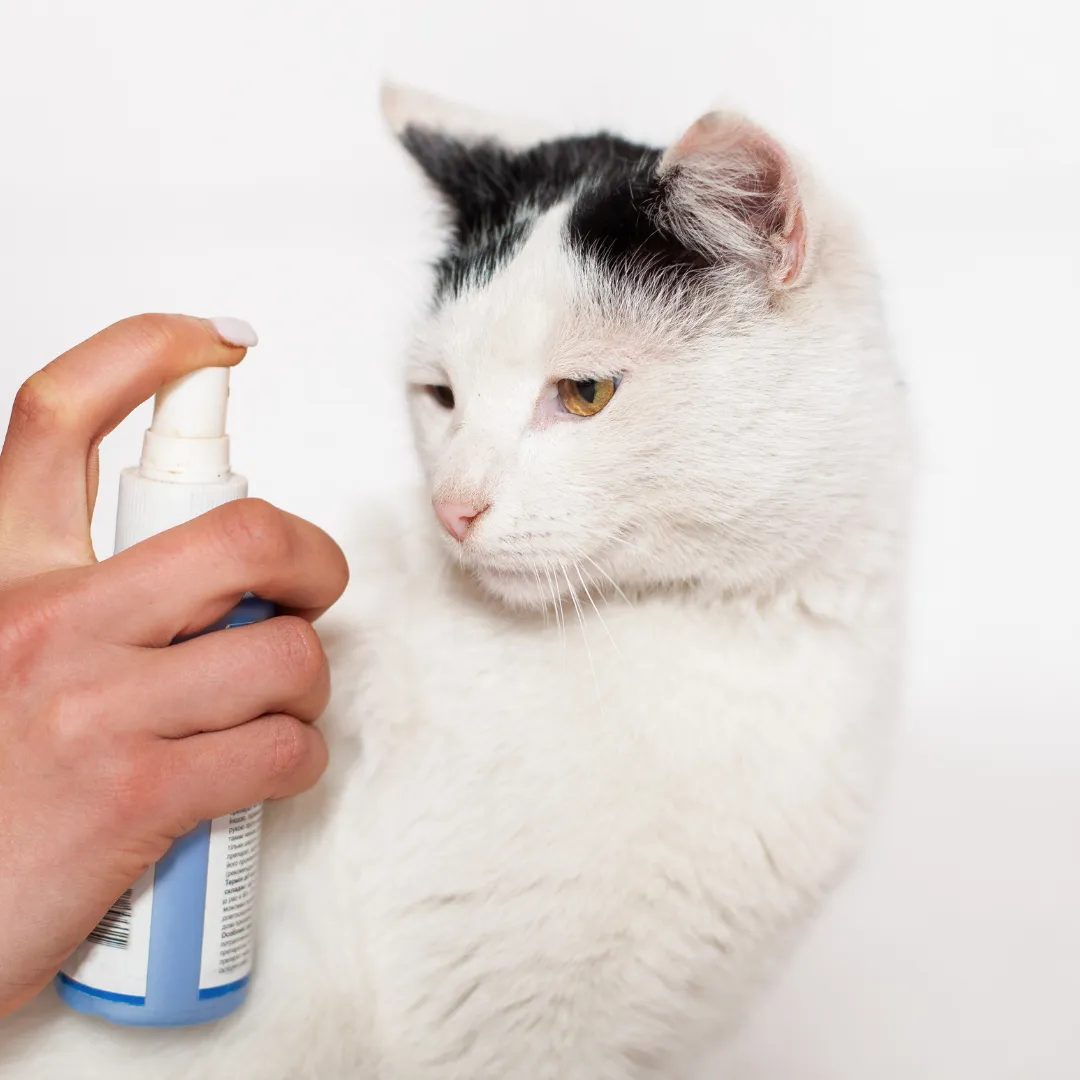
Understanding Pet Anxiety - What every owner should know.
Dear Pet Mum,
I’m sure you or someone you know has experienced anxiety in some form or manner. However, did you know that like humans, pets can suffer from anxiety?
Anxiety within our pets can be caused by a natural or physiological response to stress, fear, or change. For many dogs and cats, occasional nervousness is harmless. However, when anxiety becomes frequent or intense, it can have serious implications on their quality of life.
While pet anxiety may not necessarily be something commonly spoken about within Australia, it does occur within at least 20% of our cats and dogs. Pet anxiety refers to ongoing worry or fear that causes behavioral, emotional, or physical distress in animals. This anxiety may show up within vet visits, the clapping of thunder, separation from owners, travelling in different vehicles, or sudden changes in environment.
Understanding what triggers anxiety and how to manage it is key to helping our pet feel secure, confident, and happy.
Common Causes of Pet Anxiety
There’s no single cause of pet anxiety, but understanding the typical triggers will help you identify what’s affecting your furry friend.
Separation anxiety: One of the most common causes, especially in dogs, occurs when pets are left alone or separated from their primary caregiver.
Loud noises: Thunderstorms, fireworks, and vacuums can trigger intense fear and stress responses.
Changes in routine: Pets thrive on consistency. Moving homes, new schedules, or visitors can lead to uncertainty and worry.
Past trauma: Rescue pets or animals with a history of neglect or abuse can show signs of deep-rooted anxiety.
Lack of socialization: Limited exposure to other pets, people, and environments early in life can make new experiences frightening.
Medical issues: Sometimes anxiety stems from physical discomfort, such as pain, hormonal imbalance, or neurological conditions.
Recognizing these root causes of anxiety makes it easier to tailor an anxiety management plan that truly supports your pet’s well-being.
Signs of Anxiety in Pets
Like humans, anxiety within our pets presents itself in different ways. It won’t always look the same across species — or even between pets of the same kind. The key is to notice behavioral changes that appear consistently or during specific scenarios.
Signs of Anxiety in Dogs:
Excessive barking, whining, or howling
Destructive behavior (chewing, digging, tearing fabric)
Restlessness or pacing
Trembling, panting, or drooling excessively
Attempts to escape or hide
Aggression or clinginess
Loss of appetite or digestive upset
Signs of Anxiety in Cats:
Hiding or avoiding contact
Overgrooming or pulling fur
Inappropriate urination or defecation
Dilated pupils or flattened ears
Aggression toward people or other pets
Scanning the environment or startle responses
Before, suggesting that your pet is suffering from anxiety, it’s important to rule out medical conditions first with the help of a veterinarian.
The Science Behind Pet Anxiety
Like all animals, including humans, anxiety activates the “fight, flight, or freeze” response controlled by the sympathetic nervous system. When perceived danger arises — even something as harmless as a doorbell — the body releases stress hormones like cortisol and adrenaline.
Normally, once the threat disappears, the body returns to balance. But in anxious pets, these stress systems remain highly sensitive or overactive. Over time, chronic stress can affect digestion, immune function, and even behavior conditioning.
This is why early intervention and long-term management are so important — not just for emotional wellbeing but also for physical health.
Understanding Separation Anxiety
Have you ever noticed within one of your pets, that when you leave them home by themselves you come home to the place looking like a cyclone has been through your place?It’s possible your pet may be experiencing separation anxiety and not being naughty.
Separation anxiety in pets, especially in dogs, is one of the most distressing conditions for both animals and owners. It occurs when pets experience panic or fear when left alone or separated from their family.
Common triggers include:
Owners preparing to leave (picking up keys or putting on shoes)
Being left in an unfamiliar space
Sudden changes in caretakers or environment
To help a pet with separation anxiety:
Practice gradual desensitization. Start leaving your pet alone for short periods and slowly increase the duration.
Create a positive association. Offer treats, calming toys, or enrichment puzzles before leaving.
Avoid emotional departures and reunions. Keep greetings calm to teach your pet that alone time isn’t something to fear.
Provide consistent structure. Routines reinforce predictability, which lessens anxiety responses.
The Role of Environment and Enrichment
A calm, enriched environment can make a world of difference for anxious pets. Mental and physical stimulation reduces boredom, one of the biggest contributors to stress and destructive behavior.
Top enrichment ideas for dogs:
Sniffari walks (letting your dog explore at their own pace)
Interactive feeders and lick mats
Puzzle toys and hide-and-seek games
Regular playtime and socialization
For cats:
Vertical spaces like shelves or trees to observe safely
Toys that mimic prey behavior
Scratching posts in multiple areas
Hiding spots for privacy
Consistency, safety, and positive engagement are the building blocks for calmer, more confident pets.
Natural Ways to Calm an Anxious Pet
Here at Pawsome Harmony we believe in providing natural ways to calm an anxious pet. Natural methods can complement behavior training and, in many cases, reduce reliance on medication.
1. Calming Supplements and Remedies
Look for supplements featuring L-theanine, chamomile, valerian root, or tryptophan. These natural compounds support relaxation without sedation.
Synthetic pheromones (like Adaptil for dogs or Feliway for cats) mimic the natural soothing scents mothers produce to comfort their young. They can be diffused or worn on collars to promote a sense of calm.
3. Aromatherapy
Lavender, chamomile, or vetiver essential oils can create a relaxing atmosphere when diffused safely in pet-friendly formulations. Always use oils with proven safety for animals.
4. Massage and Touch Therapy
Gentle pet massage can release tension, lower heart rate, and enhance trust. Slow, circular motions around the shoulders, ears, or spine often work best.
5. Music and Sound Therapy
Calming music, slow tempos, or white noise playlists can soothe anxious ears during stressful events like thunderstorms or car trips.
Behavioral Training and Professional Help
For moderate to severe cases, behavioral modification guided by a professional trainer or animal behaviorist is often the best approach.
Some effective behavioral techniques include:
Counter-conditioning: Teaching your pet to associate triggers with positive experiences instead of fear.
Desensitization: Gradual exposure to triggers at low intensity until tolerance improves.
Fear-free handling: Ensuring grooming and vet visits are low-stress experiences through careful, compassionate techniques.
When anxiety interferes significantly with your pet’s daily life, combining behavioral therapy with veterinary oversight (for possible short-term medical support) provides the most effective results.
When to See a Veterinarian
While mild anxiety can often be managed at home, professional assessment is essential when:
Anxiety leads to aggression, self-harm, or destructiveness
Symptoms persist or worsen despite interventions
There is sudden behavioral change without a clear cause
Your pet’s diet, sleep, or weight are affected
A veterinarian can help identify underlying health issues and may recommend behavioral medication, especially when anxiety becomes debilitating. The goal is never sedation — it’s about helping your pet maintain emotional balance and a better quality of life.
Supporting Your Pet’s Emotional Wellness at Home
Building a calm household routine can significantly reduce anxious tendencies. Some key practices include:
Set a stable daily schedule: Feed, walk, and play at consistent times.
Use calm body language: Pets mirror human emotions, so stay composed and gentle.
Avoid punishment: Fear worsens anxiety; focus on rewarding calm behavior instead.
Create safe zones: Give your pet a quiet, secure space where they can retreat anytime.
Bond through positive interaction: Short training sessions, playtime, and affection nurture trust and security.
Remember — anxiety management isn’t about eliminating fear entirely but helping your pet feel safe and supported enough to handle it confidently.
Prevention: Building Confidence from Day One
Preventing pet anxiety starts long before problems arise. By instilling confidence early on, you help your dog or cat navigate life’s changes more smoothly.
Early socialization: Expose your pet to various sounds, environments, and people gradually.
Reward exploration: Reinforce curiosity instead of fear when your pet encounters something new.
Regular exercise: Both physical and mental activity prevent boredom and stress buildup.
Nurturing independence: Encourage your pet to play or rest alone comfortably to avoid over-dependence.
Proactive care creates a foundation of emotional health that supports your pet throughout their life.
A Holistic Look at Pet Anxiety
Managing pet anxiety is most successful when you consider the whole picture — behavior, environment, nutrition, and emotional connection. Each aspect plays a role in your companion’s mindset and resilience.
Holistic care doesn’t just treat symptoms; it identifies why anxiety develops and addresses it from the ground up. Through natural calming aids, structure, and consistent positive reinforcement, anxious pets can slowly regain confidence and stability.
Conclusion
Pet anxiety is more than “bad behavior.” It’s a genuine emotional struggle that deserves understanding, patience, and compassion. Whether your pet trembles during thunderstorms or panics when you leave the house, small, consistent steps can lead to big improvements particularly if you start from when the pet is young.
With awareness, love, and the right tools, you can transform anxiety into assurance — giving your pet the peaceful, happy life they deserve and the harmony your whole family deserves.
If your dog or cat struggles with ongoing anxiety, you don’t have to navigate it alone. Pawsome Harmony specialises in natural, science-informed calming solutions designed to support anxious pets gently and consistently.
Our range of calming aids is formulated to help with:
Everyday stress (household noise, visitors, routine changes)
Separation anxiety and clinginess
Fear of thunderstorms, fireworks, and vet visits
Each product is created with pet wellbeing at the centre, using carefully selected ingredients chosen for their calming properties and suitability for long-term use. (Here, you can briefly mention hero ingredients like chamomile, L-theanine, B vitamins, etc., if accurate for your formulations and in line with what’s considered helpful for dog anxiety calming aids. )
If you’re ready to give your pet extra support, explore our calming range here

Contact Us
pawsomeharmony24@gmail.com
Bedford Park, Sth Australia. Australia. 5253